The apparent applicant
Congress this week
Processing Content
Fed chairs tend to be important positions. In the modern era, there was Paul Volcker, who strangled inflation; Alan Greenspan, who transformed the Fed (in ways both good and bad); Ben Bernanke, who carried the central bank through the financial crisis of 2008; Janet Yellen, the first female Fed chair, who guided the bank through the post-crisis period; and Powell, who faced the Covid pandemic and whose legacy is still being written as he battles a president intent on firing him. That is, incidentally, all of them; that’s every Fed chair for the last 50 years. In other words, they are all important. So the attention on this position is heightened.
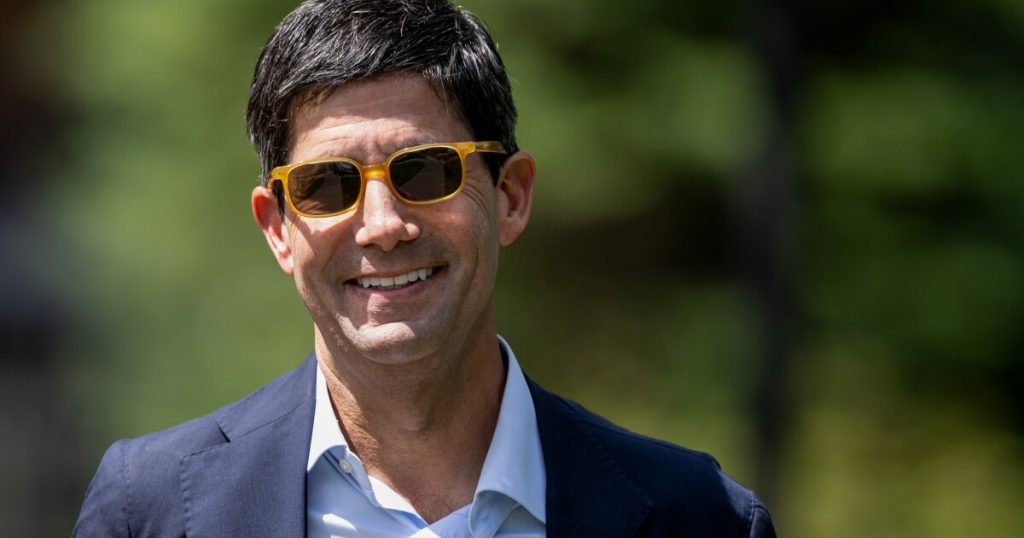
Warsh
For some people, well, one person actually, the most important question for Warsh is “when will you cut rates?” But it’s not clear how willing Warsh would be to lower rates. When he left the Fed in 2011,
For other people, well at least one personally actually, the most important question for Warsh revolved around what he did in 2008. Sen. Elizabeth Warren of Massachusetts is already planning to question Warsh
Right now all of this is basically moot: Warsh does not have the votes to clear the committee. Sen. Thom Tillis of North Carolina is flat-out refusing to even consider a vote until the Trump administration ends its investigation into Powell, and the president has said he won’t do that until the investigation is finished. So for now Warsh appears to be going nowhere.
Meanwhile, Powell’s term ends in May and he has said that as per Fed tradition he’ll stay on until a new chair is confirmed. So the investigation designed to pressure Powell out of his job ironically appears to be keeping him in it. And that “appears” is doing a tremendous amount of work.
FedNow makes a run for the border
Elsewhere in the central bank, the Fed is onsidering some tweaks to its instant-payments rail, FedNow, that would allow overseas transactions to be settled instantly. Our John Adams has the story.
FedNow launched in 2023 after a few years in development, giving the central bank its own instant-settlement rail. It’s got about 1,700 member banks using it, and settles payments in seconds, and its volume rose sharply in 2025. But right now it’s only for domestic volume. The Fed is considering a change to support cross-border transactions. The Fed has opened the idea up to public input, with a deadline for comments of June 7.
This would probably be a good change, and further move the U.S. into the modern world in terms of payments technology. But the proposed change is still more of a work-around than a true cross-border instant-settlement system. It would allow U.S. banks to transact with overseas correspondent banks through FedNow, where the current set up allows only U.S. banks. But even that change would still affect only the U.S. leg of a transaction.
Whatever happens with this idea, making cross-border transactions more seamless and instant, cheaper and easier, is something I expect will continue to drive payments systems. You can see this with Brazil’s Pix, where businesses such as Fiserv are using it to