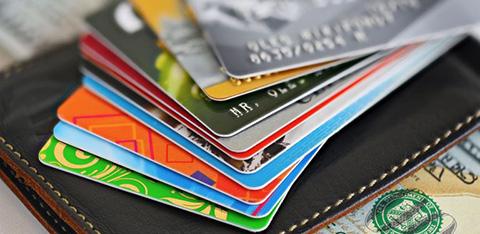
If you’ve ever wondered, “Am I using credit cards too much?”, you’re not alone. Many people start swiping for convenience, only to end up tangled in expensive debt and financial stress.
Because credit cards can be such lifesavers in a pinch, it’s easy to miss the early warning signs of overreliance on them. This guide will discuss the biggest red flags to watch out for and give practical tips to help you become less dependent.
Why Is It Bad to Rely on Credit Cards for Everything?
The signs of credit card dependency often start small: charging groceries here, covering utilities there, and promising yourself you’ll pay it off “next month.” But before long, you may find yourself juggling minimum payments and watching your growing debts eat away at your income.
This can have harmful effects like:
- Preventing you from planning for the future
- Trapping you in bad financial habits
- Shrinking your credit score
- Locking you into high interest rate debt
Fortunately, you aren’t stuck. Recognizing the early warning signs of credit card debt dependency is the first step to freedom.
5 Signs of Credit Card Dependency—and What to Try Instead
These signs of credit card dependency can sneak up on even the most responsible spenders. Here’s how to spot them and some tactics to break the cycle.
1. You Carry a High Balance Month to Month
If your statement balance only ever seems to go up, that’s one of the first warning signs of credit card debt dependency. You’re probably paying significant amounts in interest, and you might struggle to borrow money in the future.
To avoid worsening the problem, consider alternatives to using credit cards for expenses. For example, you might make purchases only with a debit card, or limit spending with a budgeting app or cash envelope system.
2. You’re Only Able to Make the Minimum Payments
Minimum payments are designed to keep you in the cycle longer, not to help you get out. It’s the financial version of treading water: you may be moving in theory, but you’re not getting anywhere.
To get unstuck, look for ways to increase your payment. Redirect small windfalls like tax refunds, bonuses, or side hustle cash toward your balance. It’s also a good idea to automate payments for the essentials so your income covers important bills first.
3. You’ve Got a High Utilization Rate
If your credit cards are nearly maxed out, that’s a big red flag. Lenders see high utilization (usually anything above 30% of your available credit) as a signal that you’re stretched thin.
It takes time, but you can lower your credit utilization rate back to a healthy level. Start by paying down your highest-interest cards first, which is called the debt avalanche method. Alternatively, you can use the debt snowball method, which prioritizes the card with the smallest balance to get wins early.
4. You Rely on Credit for Necessities
Using a credit card for necessities isn’t a problem on its own. In fact, many people do it for rewards or fraud protection. The red flag is when you rely on credit because you don’t have enough cash to cover your bills.
If swiping your card is the only way to get through the month, that usually signals a deeper budget imbalance or rising cost-of-living pressure.
To break the pattern, focus on improving cash flow, such as by renegotiating bills to reduce fixed expenses. Building a modest emergency buffer can also help you avoid leaning on credit when surprise expenses hit.
5. You Have a Lot of Stress About Credit Card Debt
Credit card reliance and financial stress go hand in hand. If you’re obsessing over finances or struggling to sleep, that’s a sure sign of credit card dependence—and something needs to change.
The longer you wait, the worse it’ll get, so take action as soon as you can. Focus on finding ways to reduce expenses so you can start paying down what you owe. It’s also worth considering debt consolidation with a lower-interest option.
Go From Swiping to Saving
The longer you wait to address credit card dependence, the harder it can become to regain control. If you recognize the signs, don’t wait to take action.
That said, becoming over-reliant on credit cards doesn’t happen overnight, and neither does fixing it. Focus on building healthy habits: reducing expenses, paying down balances, and maintaining a cash buffer.
The content provided is intended for informational purposes only. Estimates or statements contained within may be based on prior results or from third parties. The views expressed in these materials are those of the author and may not reflect the view of SmartSpending. We make no guarantees that the information contained on this site will be accurate or applicable and results may vary depending on individual situations. Contact a financial and/or tax professional regarding your specific financial and tax situation. Please visit our terms of service for full terms governing the use this site.